This is the story from an AWE client, in their own words, of what it’s like to live under ICE surveillance.
I am an asylum seeker currently under supervision through the government’s Intensive Supervision Appearance Program (ISAP).
This is not a criminal punishment, and I am not under criminal prosecution. It is strictly an administrative requirement related to my immigration case because I am seeking asylum in the United States.
I have fully complied with all conditions and requirements of the program. However, despite my complete cooperation, the conditions imposed by ISAP have created significant emotional distress and have deeply affected both my daily life and education.
Under ISAP, I am continuously monitored. I am required to respond immediately to any messages or calls from ICE. If I miss a message or call – even briefly – it may be recorded as noncompliance and could result in my detention and deportation.
Living under this constant obligation creates ongoing anxiety and severe psychological pressure. I must remain alert at all times, every single day.
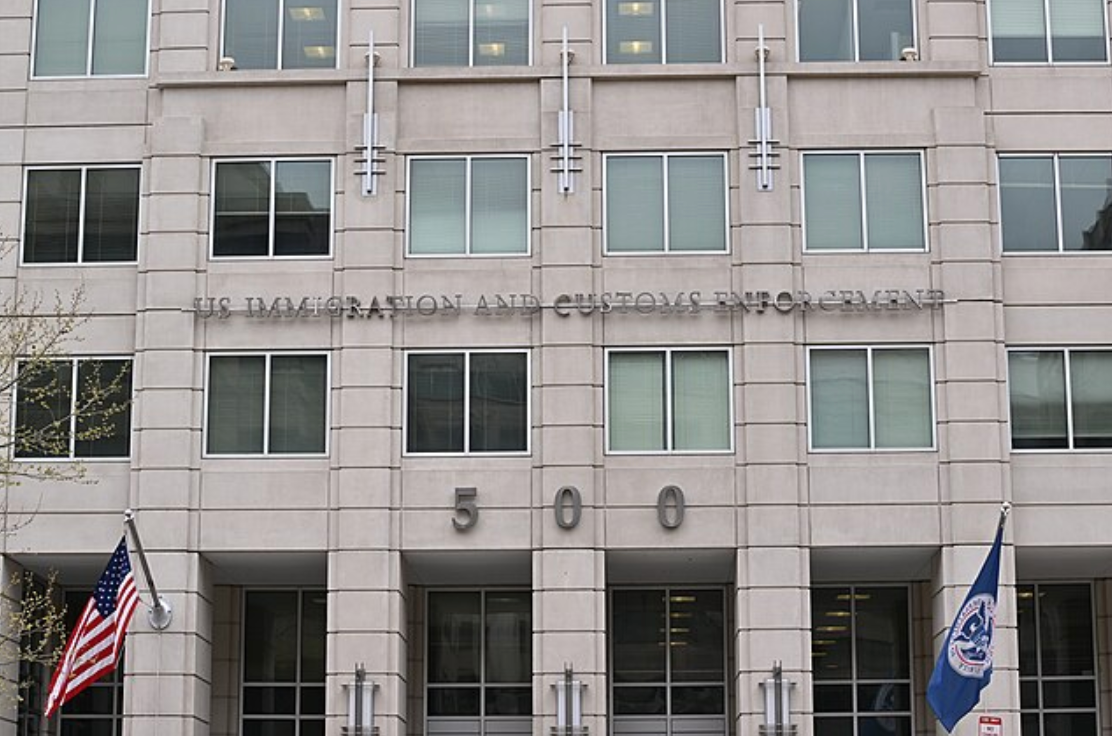
I am required to attend monthly in-person appointments at the ICE office and ICE schedules frequent home visits. These appointments can take hours, and I cannot go to school on those days. ICE is also permitted to show up at my home at any time unannounced.
There is a constant feeling of surveillance. I am required to carry a device that allows ICE to continuously track my location. I am required to submit a photograph of myself to ICE every week. ICE has access to my personal and biometric information.
I worry about technical errors or system malfunctions that could mistakenly register noncompliance. The legal consequences of a mistake could be severe.
ISAP impacts my academic performance.
At my university, phones are collected at the beginning of each class and returned at the end. Phone use during class is not permitted. However, because I must respond immediately to ISAP messages and calls, I cannot be separated from my phone – even for a few minutes. Some of my classes are held in the basement, where there is no signal. I have to leave class repeatedly to make sure I have not missed any communication.
Even when I do not receive any calls or messages, the fear of possibly missing one remains constant. This continuous anticipation makes it difficult to concentrate and impacts my academic performance. It creates ongoing anxiety and psychological strain.
Each semester, my university requires that students travel to other states as part of the academic curriculum. I could not attend the required academic trip, because I am not allowed to travel out of state without explicit authorization from ICE. Following the trip, everyone was required to give a presentation about the trip. But because I could not attend, I received a zero.
Explaining my situation to others is extremely difficult. Most people are unfamiliar with such a program, and the level of monitoring involved is surprising and difficult for them to understand. Repeatedly explaining my situation adds further emotional strain.
I am constantly afraid I will be detained. When I go to class or travel anywhere - even while walking in public - I live with the persistent fear that ICE may detain me.
Because of this fear, I carry all my immigration, personal, and medical documents with me every single day. Carrying these documents - in addition to my textbooks, food, and water is extremely difficult. There have been days when I waited nearly an hour at a bus stop in freezing weather while carrying these heavy materials.
Sometimes when I am on the bus, I see someone with part of their face covered, and I’m afraid they work for ICE, so I get off and wait for another bus.
These circumstances may sound manageable when described in words, but in reality, enduring even one day under these conditions is physically and emotionally exhausting.
Despite all the hardships I have experienced, my goal is to continue my education, follow the law, and contribute positively to society. I respect and value the laws of the country. I want to remain honest and respectful to the government that has given me refuge.
But entering the country to apply for asylum is not criminal offense. I came seeking safety and protection.
Should the consequences of asking for refuge be this severe? Is it fair for the life of a migrant – whose only “fault” was seeking safety – to be so deeply disrupted?
I sincerely hope that one day, immigrants who come to this land for safety will be seen with greater understanding, fairness, and humanity – and that the heavy burden of constant fear and stress will be lifted from their lives.
With respect,
A migrant who has endured great hardship and suffering
Share this post
All News and Events